Leila Sobek on Designing Architecture Around People
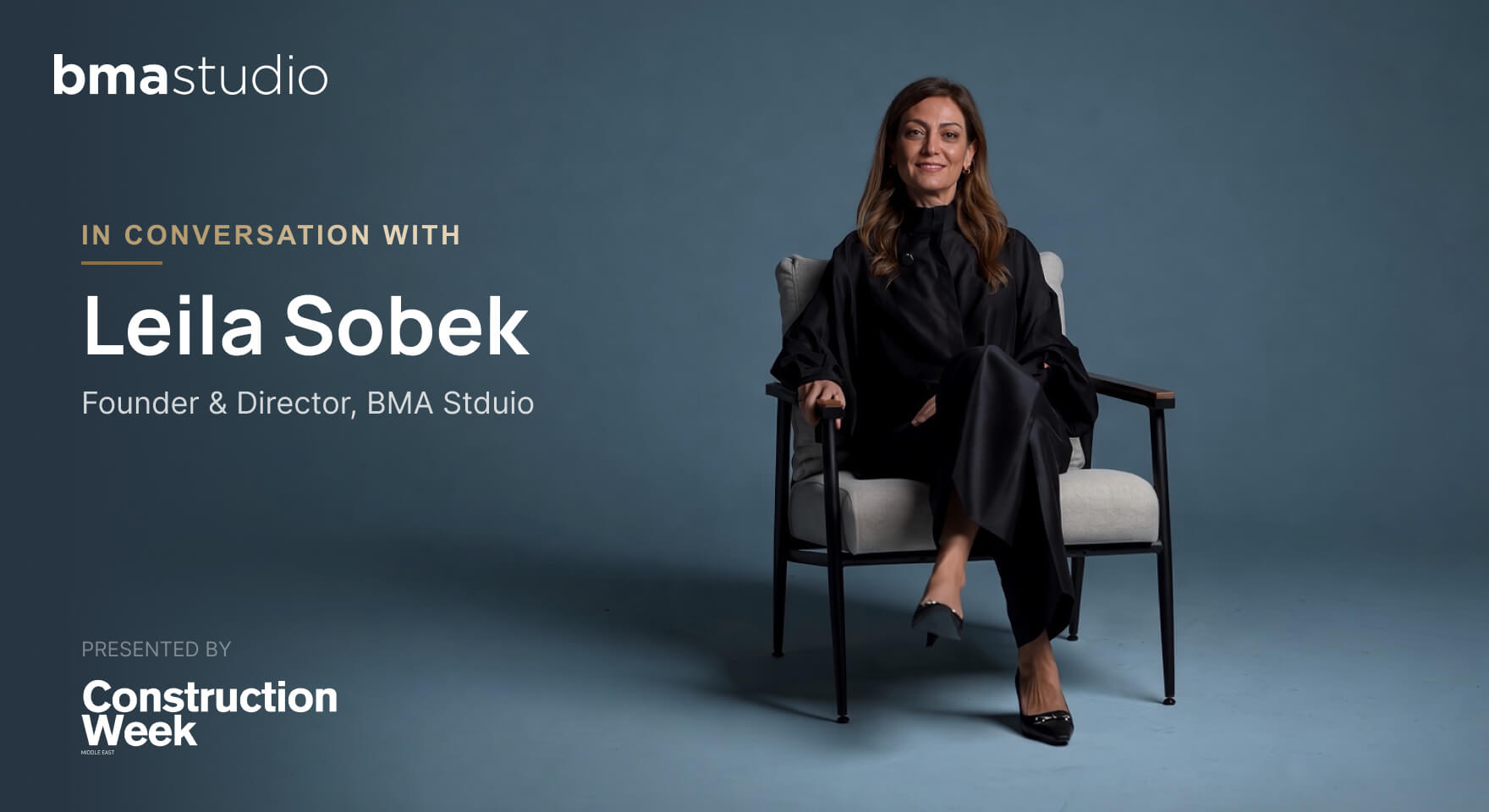
A room can bring people together. An entrance can change the pace of arrival. The way daylight falls across a surface can change an ordinary moment. Most of these experiences are decided by architectural choices made long before a space is built.
That idea runs through a new interview with Leila Sobek, Founder and Director of BMA Studio, filmed for Construction Week's Architects Answer series. Leila came to architecture because she wanted to understand how spaces affect people's lives and the way they interact. More than ten years after founding the studio, that question still shapes how every BMA project begins.
Watch the interview on Instagram or LinkedIn.

Beauty in layers
Leila describes good design as a series of connected decisions. How a building responds to its surroundings. How rooms relate to one another. How materials meet, how light enters, and how proportion affects the people inside. Each decision informs the next, and together they give a project its character.
She returns to three of those layers in particular.
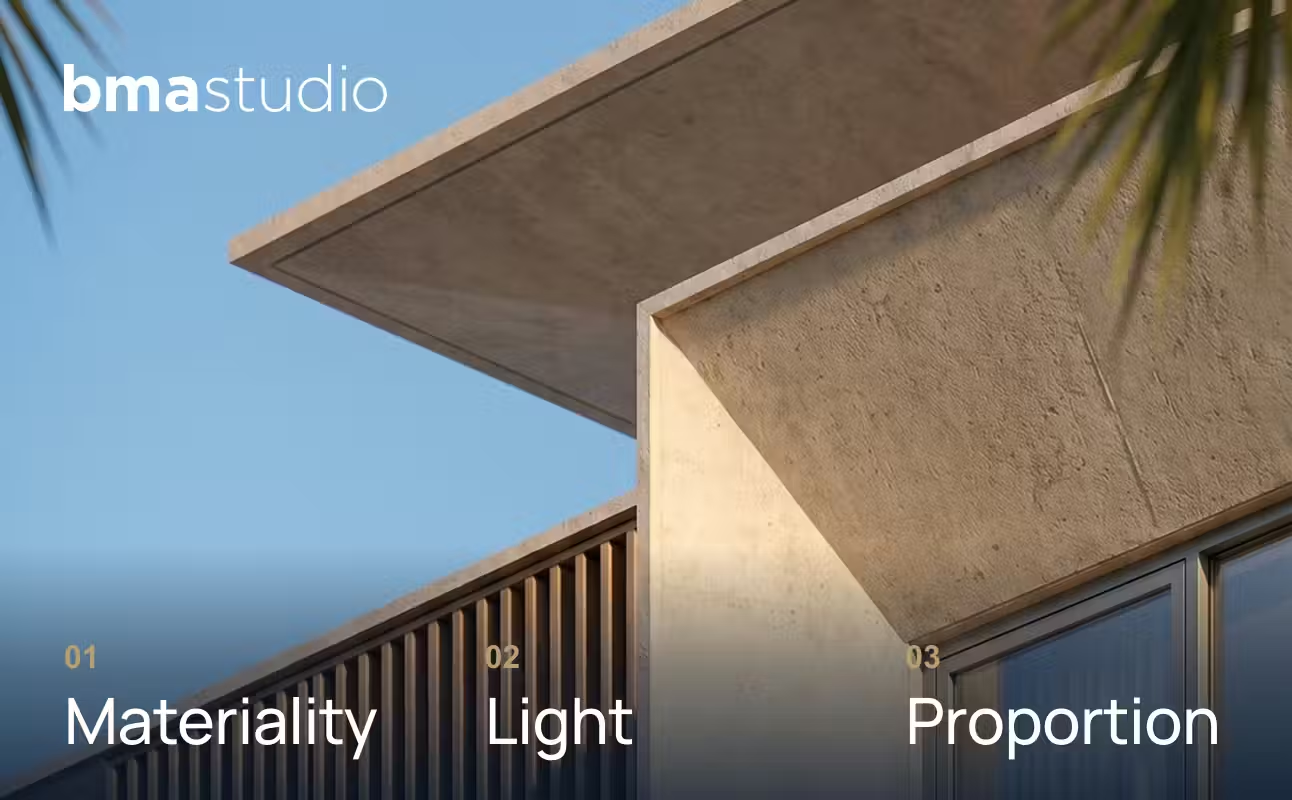
Materiality. The texture, weight and finish of a material shape how a space feels. You notice them through touch, through movement, and in the way a surface ages.
Light. Light brings those qualities into focus. It shows depth, sets a rhythm, and changes the atmosphere of a room from morning to evening.
Proportion. Height, width and the relationship between spaces affect how people feel in them. Proportion can make a room intimate, give an entrance presence, or let one space flow into the next.
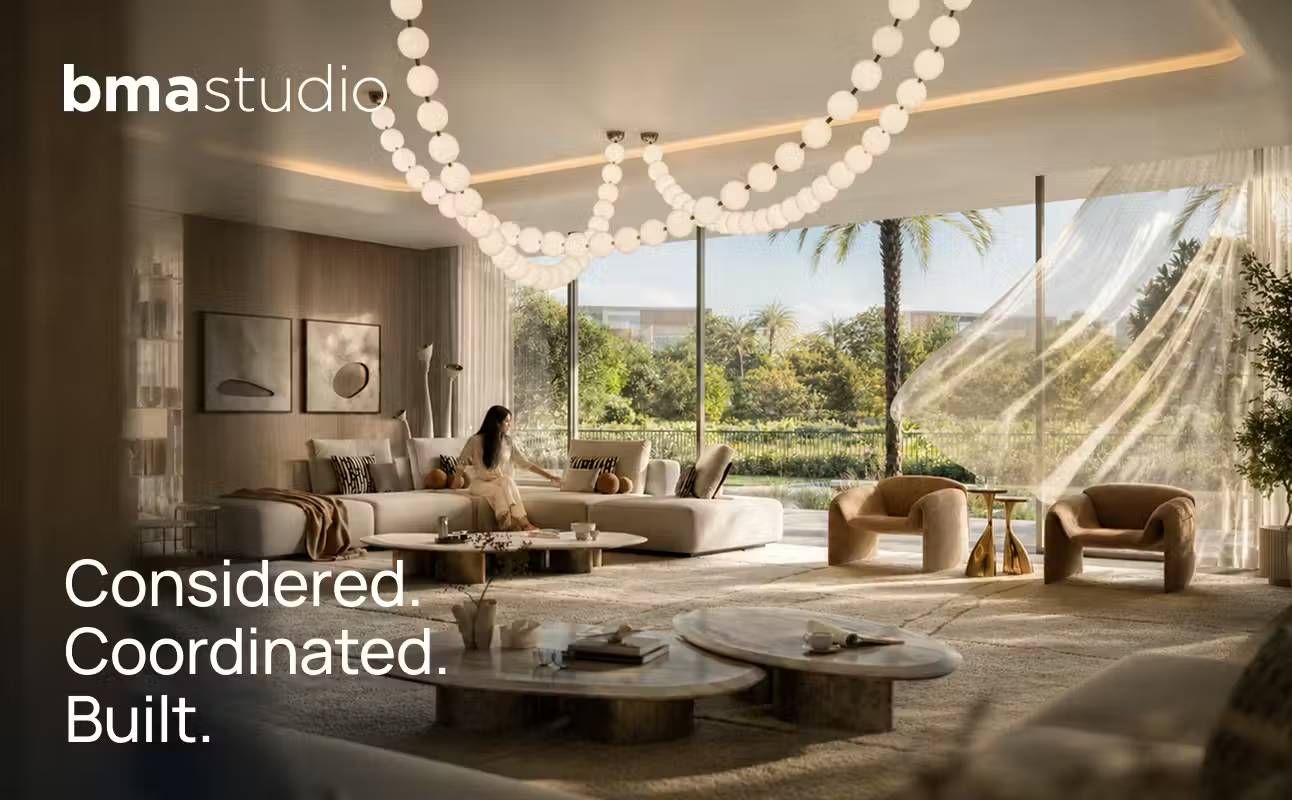
Considered, coordinated, built
"There are other layers have a bigger impact on architecture," Leila says, and many of them are never seen. Behind every finished space sit structural decisions, coordinated building services, material specifications and construction details. Each one affects what the final space feels like.
That is why BMA Studio keeps architecture, interior design and technical expertise in one team. "We are looking at architecture as a coherent approach," Leila explains. Working this way lets the studio hold on to the design intent from the first spatial concept to the last construction detail, so clients get one process where the vision and the practical delivery are planned together.
Why Dubai
"Dubai is the right place to test the ideas," Leila says. For her, the city is a place to go beyond conventional design and try something new. Her ambition also reaches past individual buildings: she wants the region to move from building a city to making communities that are more connected, more mobile and more sustainable.
For the lives that follow
Leila's view of lasting architecture starts with people. A building should serve the lives happening inside it today and still mean something to the people who use it decades from now. That means thinking past the first impression to how a place will be lived in and valued over time.
She also sees a growing role for technology. Used as a tool, AI can help architects create buildings that adapt better to the people who use them, with the aim of "a better future for the next generation."
Every space begins with a conversation
Ready to bring your vision to life? Whether you are planning a new residence, envisioning a renovation, or simply curious about what is possible, we would love to hear from you.
Email: hello@bmastudio.ae
Phone: +971 43 415 771
Studio: Office 5205, Gold & Diamond Park, Dubai, United Arab Emirates
Visit our Contact Us page.


